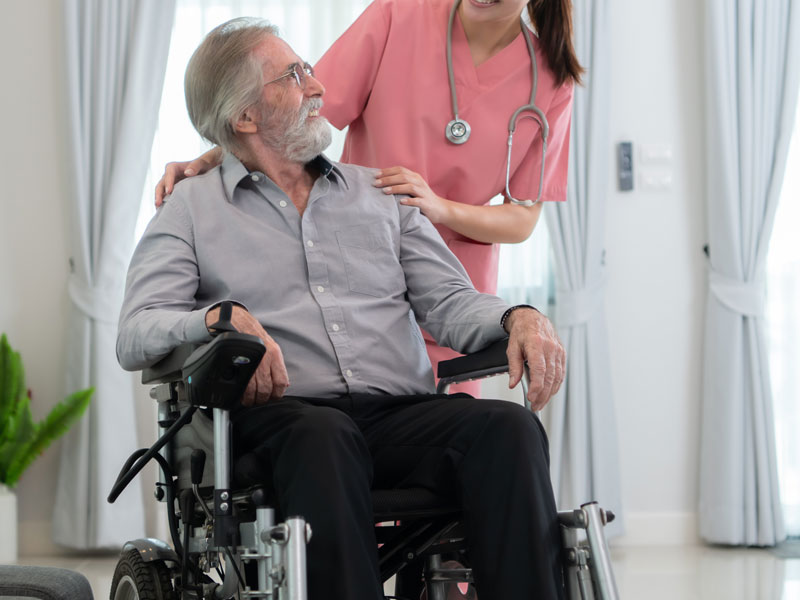
A trained nurse in your home, for as long as you need one. A single daily visit, a 12-hour shift, or round-the-clock cover.
She handles the medical work, watches the patient properly, and keeps a written record you can hand to your doctor.
Best for: patients just discharged, bedridden patients, and anyone whose care is beyond what family can safely manage.
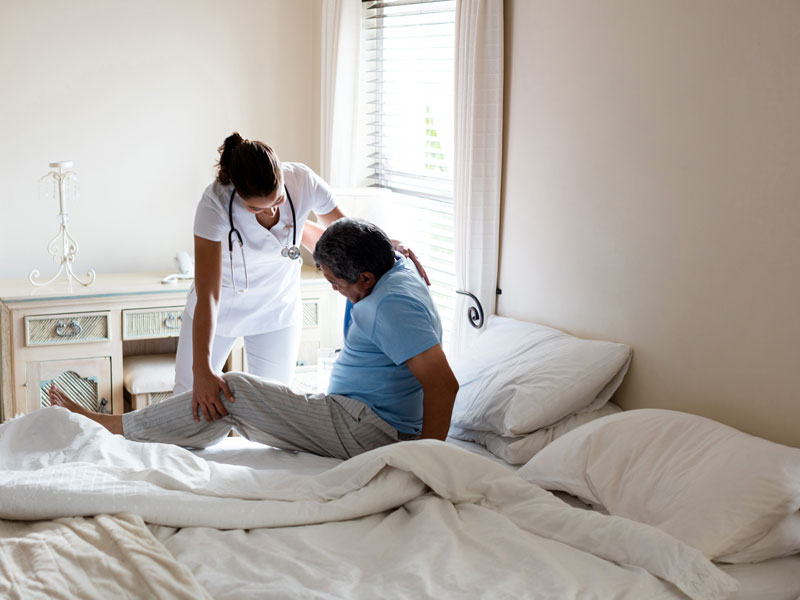
Most patients at home take six or more medicines a day. Different times. Some before food, some after. Some that must never be doubled.
Our nurse follows the doctor's chart exactly, gives every dose on time, and keeps a written log. Nothing missed, nothing repeated.
This matters because: medication error is the most common — and most preventable — reason a recovering patient goes back to hospital.
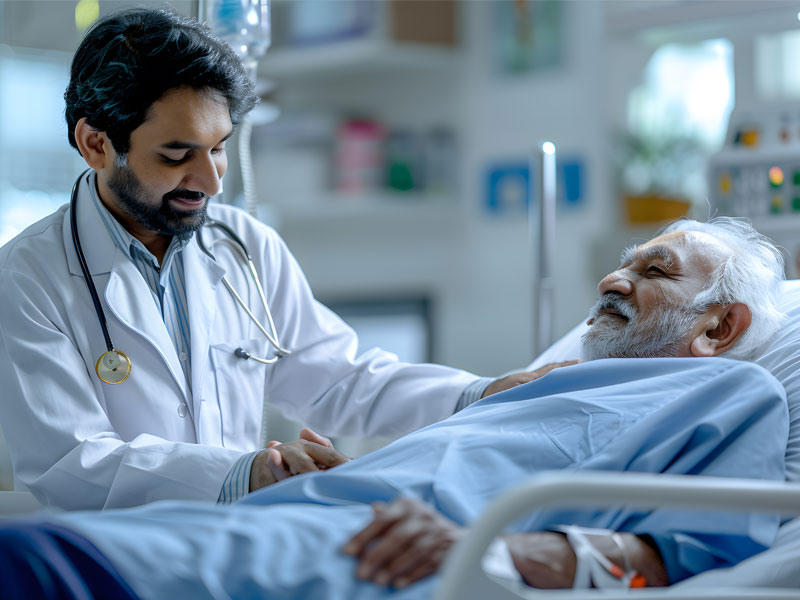
Blood pressure. Blood sugar. Oxygen saturation. Temperature. Pulse. Respiratory rate.
Numbers on their own mean nothing. A trained nurse knows which change matters, and which does not.
You get a written record for every visit — the single most useful thing you can put in front of a doctor at the next appointment.
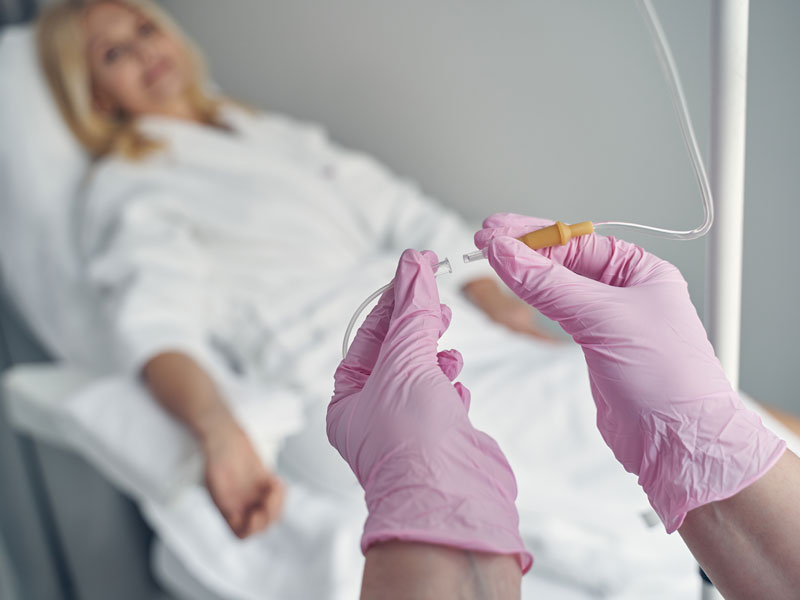
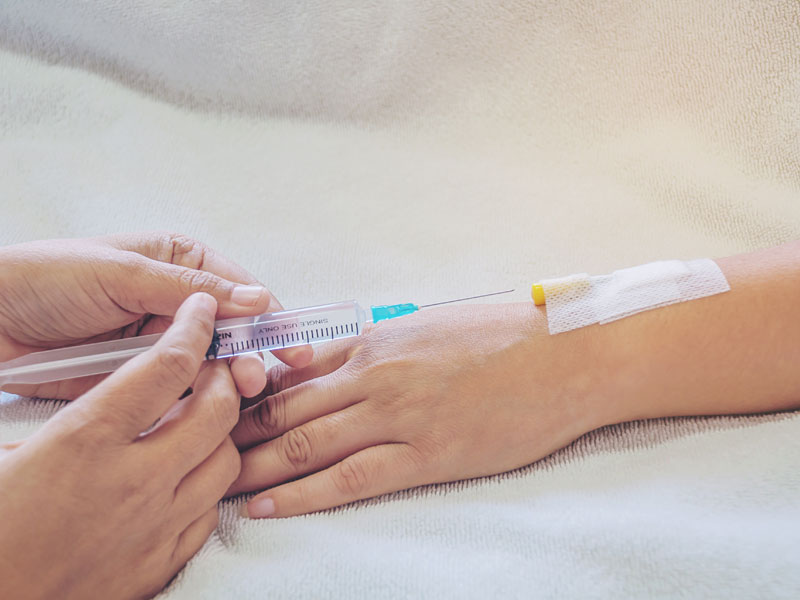
Some medicines only work through a vein. Antibiotics. Fluids for dehydration. Iron. Pain relief.
You do not need a hospital bed for that.
Our nurse sets the line, runs the infusion at the correct rate, and watches the site for swelling, pain or leaking. When it is finished, she removes the line cleanly.
Why families choose this: a full IV antibiotic course at home costs a fraction of the same days in a ward — and the patient sleeps in their own bed.
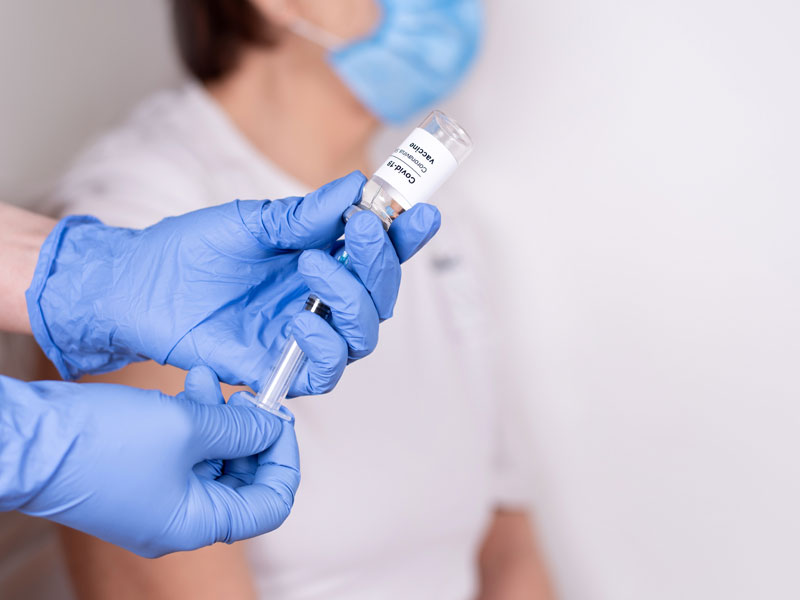
Insulin twice a day. A course of antibiotic injections. A blood thinner after surgery. Vitamin B12.
Wrong site, wrong angle, or a reused needle can cause an abscess. It happens more often than families realise.
Our nurse gives it correctly, rotates the sites properly, and disposes of every needle in a sharps container.
We give: intramuscular (IM) · intravenous (IV) · subcutaneous (SC) · insulin · blood thinners · pain and vitamin injections
If a family member wants to learn to give insulin themselves, our nurse will teach you.
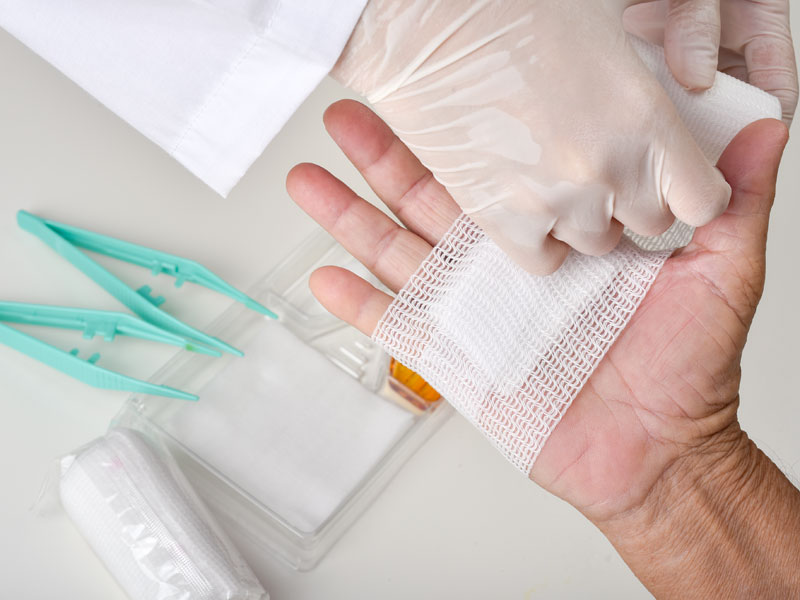
A wound heals or it does not. The dressing decides which. Our nurse cleans the wound with sterile solution, dresses it fresh every time, and watches for the early signs of trouble — spreading redness, bad smell, discharge, rising pain, fever. If she sees them, you hear the same day.
We dress: surgical wounds · diabetic foot ulcers · injury and accident wounds · burns · sites after stitch removal
Why it matters: an infected wound is the most expensive thing that can happen after surgery. It undoes the operation and sends the patient back to hospital.
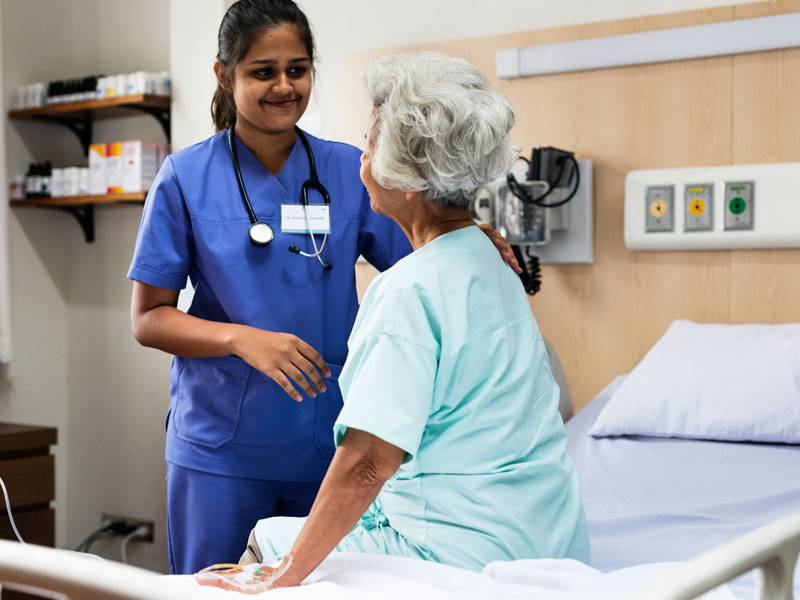
A bedridden patient can develop a pressure sore in a matter of days. Once it reaches the deeper tissue, healing takes months.
Our nurses prevent them and treat them: two-hourly position changes, skin inspection, pressure relief at the heels, hips and lower back, and proper staged wound care where a sore has already formed.
We also show the family how to turn a patient safely without hurting the patient or their own back.
This is preventable care. Most families only learn that after the first sore.
A urinary catheter is not fit-and-forget. It needs changing on schedule and keeping clean, or infection follows.
Our nurse inserts, changes and removes both Foley and suprapubic (SPC) catheters using full sterile technique. She also teaches the family how to empty and position the bag — which is where most infections actually start.
We handle: Foley insertion and change · SPC care and change · removal · bag change · flushing and blockage checks · family training

A tracheostomy frightens families more than anything else on this list. It should not, once someone shows you how it is managed.
Our nurses handle the daily care: suctioning secretions, cleaning the stoma, changing the dressing and ties, checking the skin around it, and keeping the airway clear.
We also teach the family safe suctioning, so you are never helpless between visits.
Why home is better: a trach patient on a ward is exposed to hospital infection every day. At home, one nurse watches one airway.
When a patient cannot swallow — after a stroke, after throat surgery, in advanced illness — feeding goes through a tube.
Done wrong, food enters the lung. Families are right to be nervous about it.
Our nurse inserts the tube, checks its position before every single feed, gives the feed at the correct rate and temperature, keeps the patient sitting up, and flushes the tube so it does not block.
The part families value most: we teach you. Most relatives can manage the feeds themselves within a week, with our nurse visiting to check.
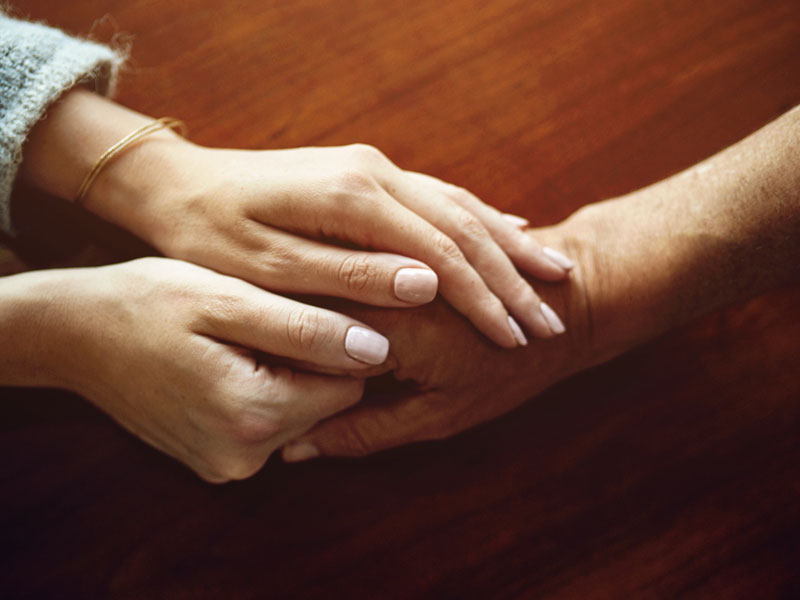
A colostomy or ileostomy changes daily life more than almost any other procedure — and most families are sent home with barely ten minutes of instruction.
Our nurses handle bag changes, clean and check the skin around the stoma, watch for leaks, irritation and narrowing, and get the fit right so the bag stays secure.
Just as importantly, we teach the patient to manage it independently. That is the whole goal — most people can, within a few weeks.
We handle: colostomy · ileostomy · urostomy · bag and appliance changes · peristomal skin care · patient and family training
The four weeks after surgery decide how well the body heals.
Our nurses handle dressing changes, medicines on time, safe movement, and watching for the fever or swelling that signals a problem — days before the family would notice it.
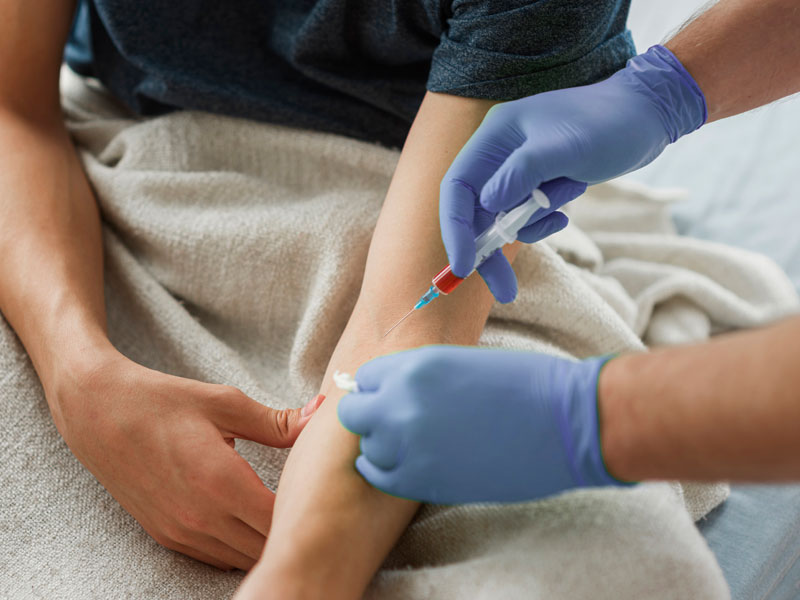
No queue. No travel. No waiting room with sick people in it.
A trained professional collects the sample at your home, hygienically, and it goes to the lab the same day. For elderly, bedridden and post-surgery patients, this alone removes the hardest trip of the week.